
Supreme Court to hear Arizona’s proof-of-citizenship voting law fight Dec. 8
The case could change how Arizonans register to vote and how counties remove people from voter rolls.

The case could change how Arizonans register to vote and how counties remove people from voter rolls.
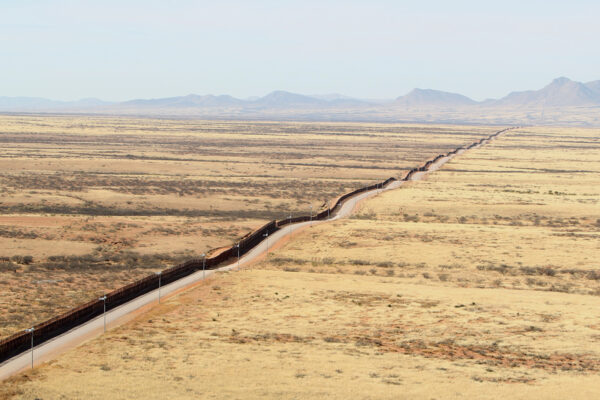
The justices agreed to decide whether Trump can bar migrants who cross between ports of entry from seeking asylum; a ruling is expected by early July.

In a one-line order with no noted dissents, the justices denied the Justice Department’s emergency request on the eve of Election Day.
Justice Ketanji Brown Jackson was the only public dissent as the court cited the rule against late changes to election procedures.
Justices Alito and Thomas would have allowed the Bureau of Prisons policy to take effect.
Two weeks before the midterms, the liberal justice criticized decisions on voting rights, campaign finance and gerrymandering.
Khalid Sheikh Mohammed and two co-defendants had sought to restore deals that would have taken the death penalty off the table.
The justices let the FCC skip a lower-court deadline that would have forced a ruling on a Democratic challenge before the Nov. 3 elections.
The justices took up the Trump administration’s appeal of an order requiring the Department of Government Efficiency to answer a watchdog’s records requests.
The justices declined to hear attorney Andrew Parker’s appeal. The 2022 suit by Lake and Mark Finchem sought to ban vote-counting machines.