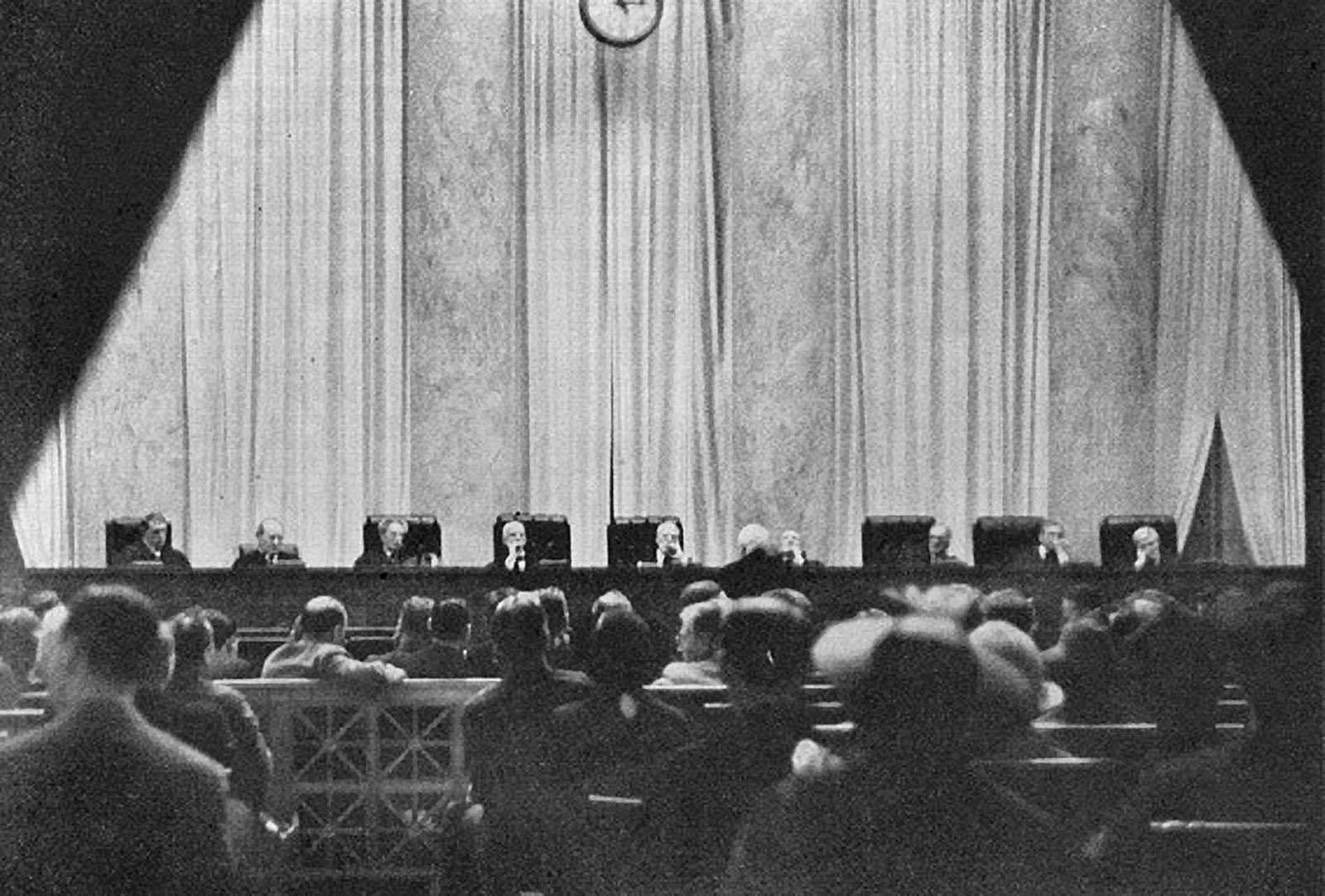
PHOENIX — The U.S. Supreme Court will hear arguments Dec. 8 over two Arizona voting laws that require proof of citizenship to register and call for checks of voter rolls, KTAR News reported. A ruling is expected by June.
Arizona lawmakers passed the laws in 2022, but lower courts blocked much of them as conflicting with federal voting law. The Republican National Committee, backed by the Trump administration, is asking the justices to restore two parts in Republican National Committee v. Mi Familia Vota.
The first requires people using Arizona’s state registration form to show proof of citizenship, such as a passport, birth certificate or Arizona driver’s license number. That rule has been enforced since 2024, when the Supreme Court allowed it while the case continued. If the RNC loses, applicants without proof would again become “federal-only” voters who can vote for president and Congress but not in state or local races.
About 43,900 Arizonans were federal-only voters as of June, less than 1% of the state’s voters, according to the Arizona Secretary of State’s Office.
The second provision would have counties check voter rolls against government records to find noncitizens. Voters who are flagged would have 35 days to prove citizenship or lose their registration. Courts have said federal law bars that kind of check within 90 days of a federal election, and the RNC wants that limit lifted.
State officials are split. Attorney General Kris Mayes filed a brief partly backing the RNC on the state’s power to require proof on its own form, while Secretary of State Adrian Fontes’ office has said the laws could keep eligible voters from casting ballots, KTAR reported. Senate President Warren Petersen has said the requirement exists “because only American citizens should decide American elections.”
The challengers include Latino and voting rights groups, students, tribes and Democrats.
Sources: KTAR News. Thee Arizona Times uses AI-assisted reporting reviewed against the sources listed.
Photo: Unknown author / Public domain via Wikimedia Commons.