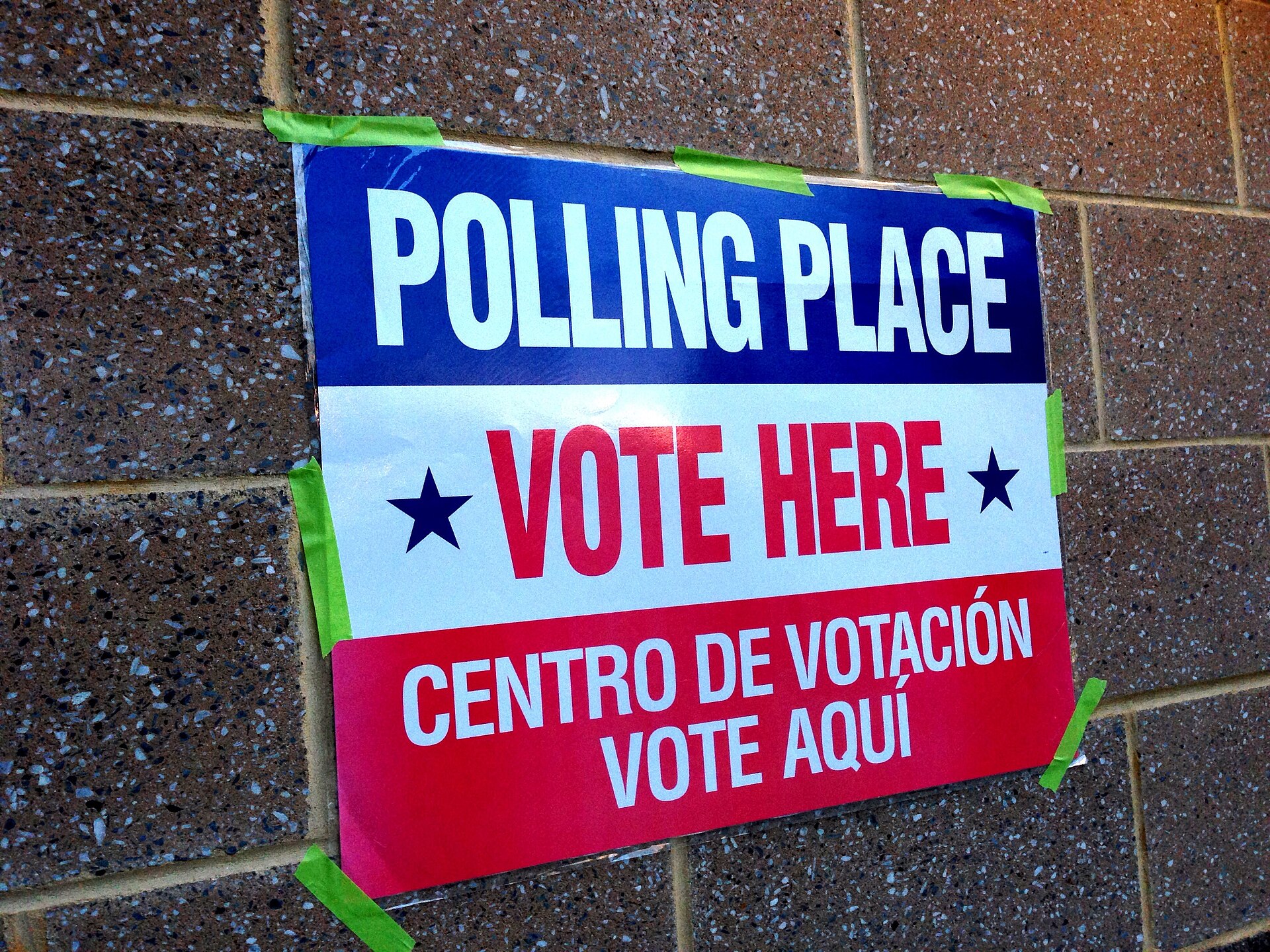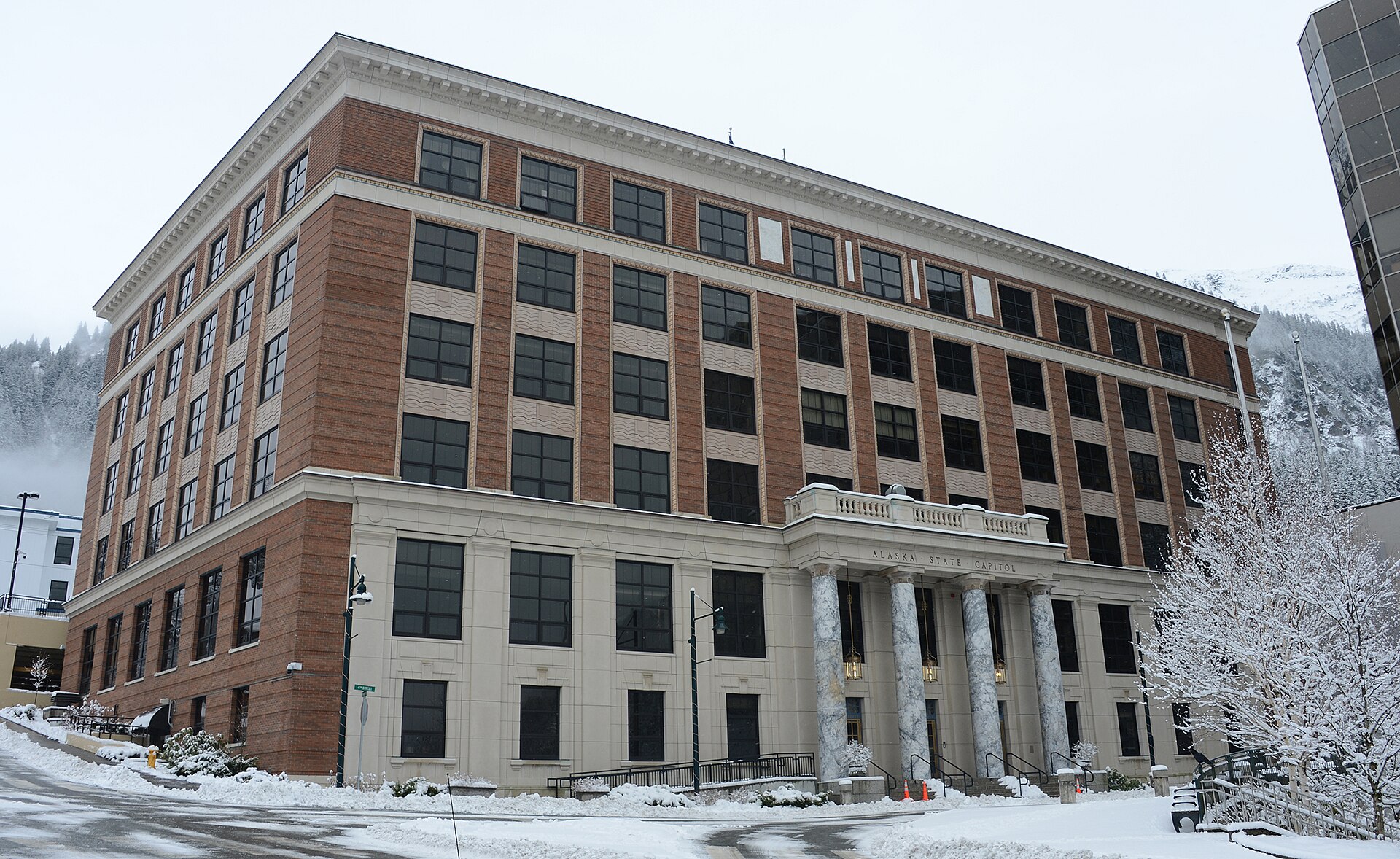

WASHINGTON — Less than five weeks from Election Day, Democrats look competitive in 10 states President Donald Trump carried by double digits in 2024 — a map expansion that is scrambling Senate strategy and forcing Republicans to defend territory once treated as safe, Reuters reported Thursday.
Republicans hold a 53–47 Senate majority and entered the cycle with a favorable landscape. Polling now shows Democratic viability in Ohio, Alaska, Iowa, Texas, Florida, Kansas, Nebraska, Mississippi, South Carolina, and Kentucky. Boston College political scientist David Hopkins said the swing away from the GOP appears larger in red America than blue America, putting easy Trump states “very much into play.”
Democrats must defend two seats in Trump-won states and flip four Republican-held seats, including at least two in double-digit Trump country, to take the chamber. Ohio, Alaska, Iowa, and Texas were already battlegrounds; Kansas has become a surprise, with Democrat Adam Hamilton narrowly leading Sen. Roger Marshall in recent polls in a state Trump won by 16 points. Democrats Angie Nixon in Florida and Annie Andrews in South Carolina are running neck-and-neck with Republican incumbents in recent surveys; Democratic-aligned candidates in Nebraska, Mississippi, and Kentucky trail by single digits in states Trump won by 13 to 31 points. Trump dismissed the polls as “fake.”
Money remains uneven. AdImpact data show Republicans outspending Democrats by millions on future ad reservations in Ohio, Texas, Iowa, Alaska, and Kansas. NRSC Chair Sen. Tim Scott said the party faces a “record number of toss-up races” and that “cash is king.” In Kentucky, Democrat Charles Booker’s internals put him within single digits of Rep. Andy Barr for Mitch McConnell’s open seat, but Barr holds about a $2 million cash edge; Gov. Andy Beshear has endorsed Booker and may join late get-out-the-vote events.
The White House is sending Trump into deep-red states — Texas and Oklahoma Thursday, then Alabama, Ohio, and Nebraska — to juice base turnout even as a Reuters/Ipsos poll put his approval near a historic low of 32%. Cost-of-living anger over the Iran war and tariffs is pushing some Republicans, including Mississippi’s Sen. Cindy Hyde-Smith, to acknowledge fuel prices as voters’ top concern.
Polls are not outcomes — Wisconsin’s Democratic governor primary showed how large leads can vanish — but the breadth of competitive races gives Democrats more paths and forces the GOP to play defense far from traditional swing states. Arizona’s own midterm fights over water, power, and election administration sit inside that national undertow: a referendum on Trump-era economics that is reaching places Democrats rarely contest.