



WASHINGTON — The Supreme Court began its new term Monday wrestling with a case that could decide whether cities and counties can make oil companies help pay for the costs of climate change, with billions of dollars and dozens of similar lawsuits hanging on the outcome.
The case, Suncor Energy v. Boulder County, stems from a 2018 lawsuit by the city and county of Boulder, Colorado, accusing Suncor Energy and Exxon Mobil of misleading the public about how their products contribute to global warming. Boulder says it faces mounting costs from floods, wildfires and extreme heat. The companies argue climate change is a national and global issue that cannot be litigated under state law in state courts.
Justices sound torn
Both NBC News and the Associated Press described a bench that asked tough questions of both sides without a clear majority emerging.
Chief Justice John Roberts worried about a flood of copycat suits. “Presumably, if you prevail, the next day a municipality in every single state will file a lawsuit,” he told Boulder’s lawyer, Kevin Russell. But Roberts also noted that state courts routinely hear cases against out-of-state companies over harmful products.
Justice Brett Kavanaugh was the most vocal supporter of the companies, citing precedents he called “crystal clear” that air pollution is a matter of federal law, and warning that a Boulder win could bankrupt defendants. “Anyone is a potential defendant for a suit like this. Any manufacturer, any business,” he said, according to the AP.
Justice Elena Kagan compared the case to lawsuits against tobacco companies and opioid makers. “This is Chapter 3,” she said. The industry’s lawyer, Kannon Shanmugam, replied, “This is a different book,” arguing the harms Boulder claims are spread nationwide and worldwide.
Justice Sonia Sotomayor pressed the point that Boulder’s suit targets marketing, not emissions limits. “The Clean Air Act does not regulate marketing or advertising of fuel, correct?” she asked. Justice Ketanji Brown Jackson appeared open to a procedural “off-ramp” that would let state courts finish first, asking, “Why shouldn’t we wait and hear all of these claims once the state courts are done?”
Alito’s absence could decide it
Justice Samuel Alito recused himself last week without explanation after months of calls from liberal groups to step aside because he owns stock in other oil companies, NBC reported. With only eight justices, a 4-4 tie is possible. A deadlock would leave in place the Colorado Supreme Court’s ruling that allowed Boulder’s case to move forward.
The Trump administration sided with the companies. Principal Deputy Solicitor General Sarah Harris argued that Boulder’s suit “egregiously exceeds” the state’s authority. Russell countered that Boulder is not trying to regulate emissions or halt oil production, only to hold companies accountable for alleged deception.
Why it matters beyond Colorado
More than two dozen similar lawsuits have been filed by state and local governments, largely in Democratic-leaning areas, NBC reported. A win for the companies could shut many of them down, while a loss or a tie could send them toward trial. The case comes as the Environmental Protection Agency moves to roll back greenhouse gas rules, an issue Russell said complicates any argument that the Clean Air Act preempts Boulder’s claims.
Boulder’s suit predates the 2021 Marshall Fire, which destroyed nearly 1,100 homes and killed two people, the costliest wildfire in Colorado history, the AP noted. A decision is expected in the coming months. Other major cases this term include a challenge to bans on AR-15-style rifles and two cases on the administration’s immigration policies.
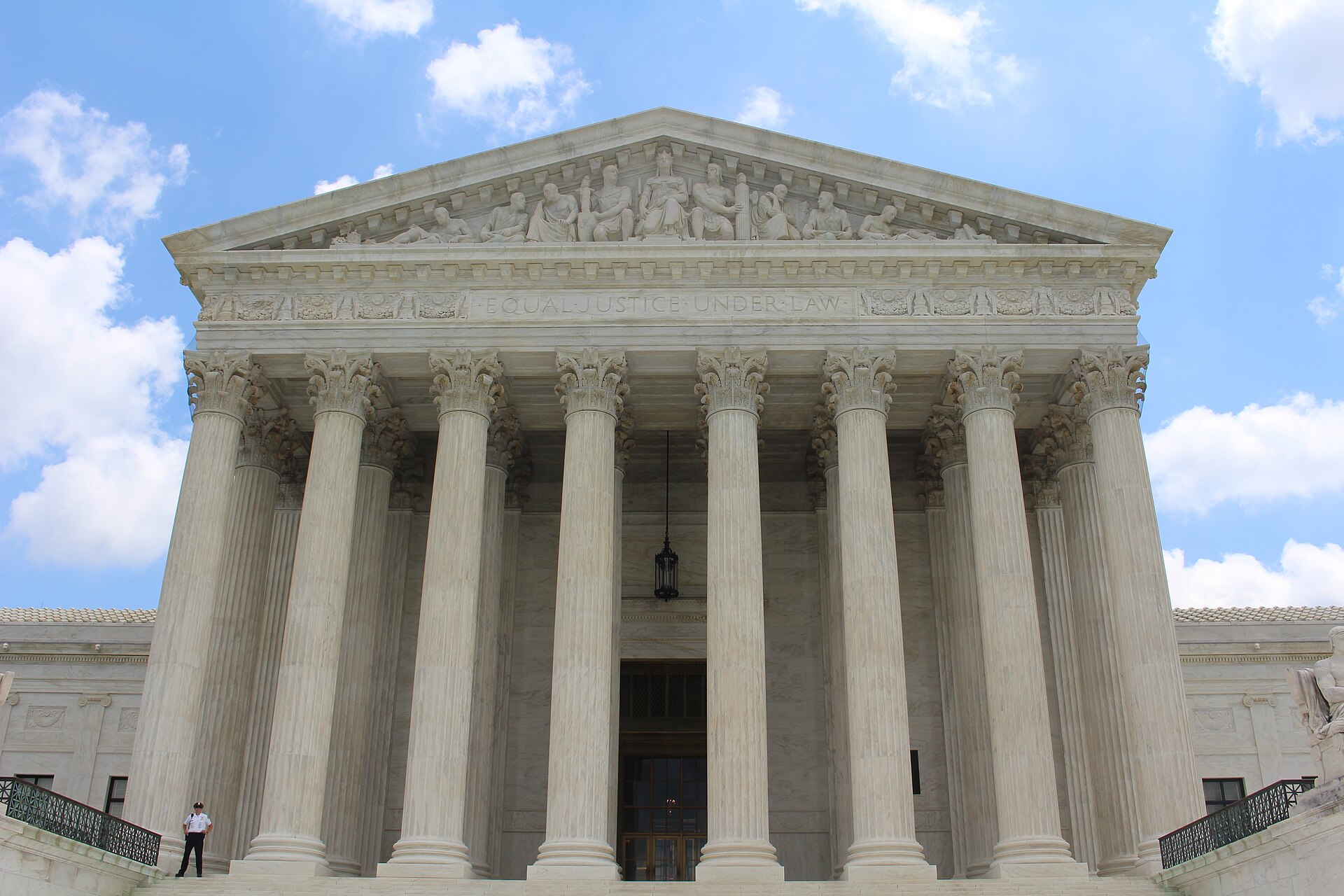
Photo: Claire Anderson via Unsplash/Wikimedia Commons (CC0 public domain dedication). File photo of the U.S. Supreme Court building in Washington, 2016.
Sources: NBC News; Associated Press (via WKMG).
This article was produced with AI assistance and is based on reporting from NBC News and Associated Press (via WKMG).