





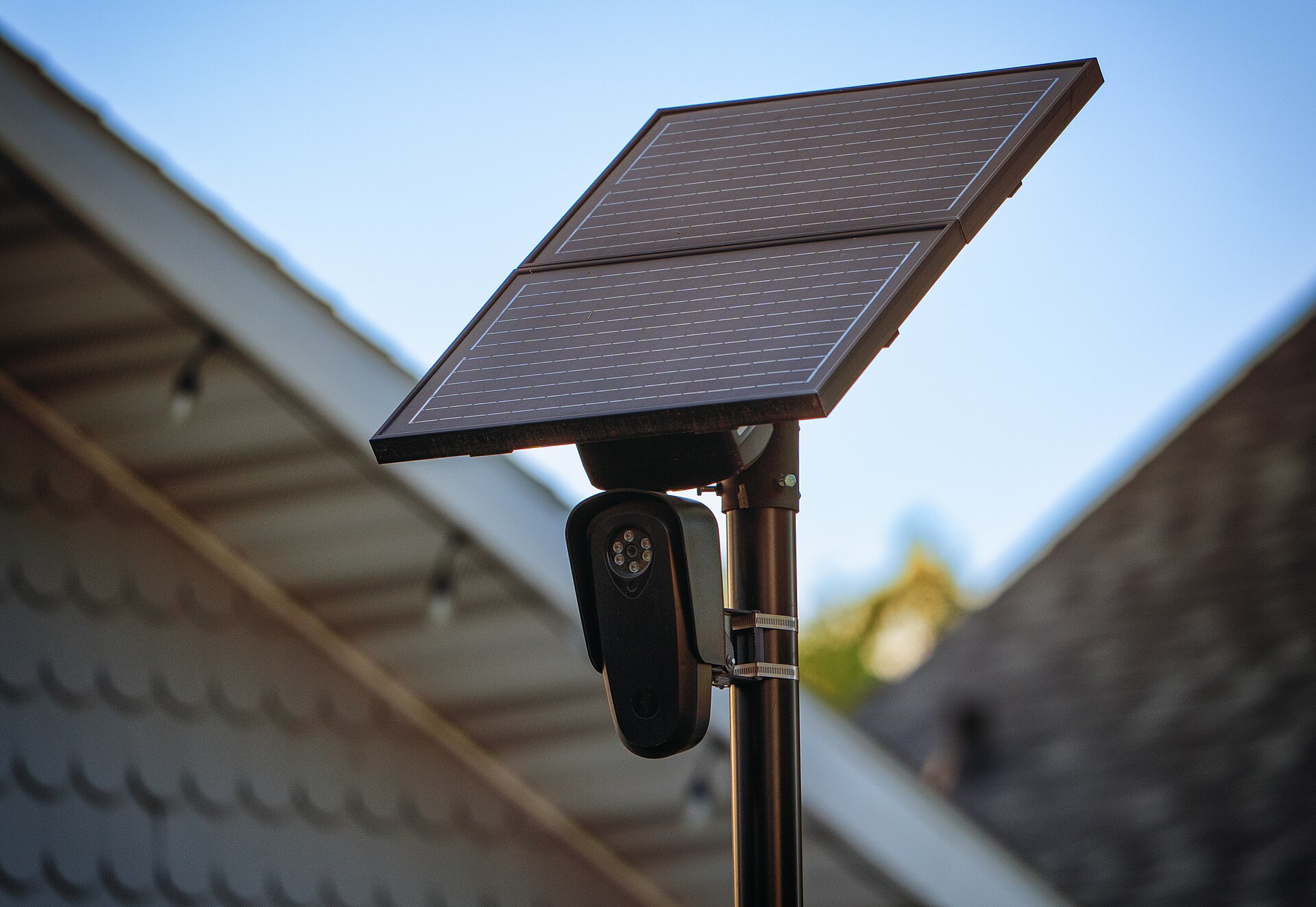
SCOTTSDALE — Scottsdale’s City Council is scheduled to dig into the police department’s use of Flock license-plate cameras at its meeting Tuesday, the latest Valley city to take a hard look at the technology as privacy concerns grow.
Police Chief Joe LeDuc is set to present how the department uses the system, according to the meeting agenda as reported by KJZZ. In an interview with ABC15 ahead of the meeting, LeDuc defended the cameras bluntly. “I think our city would be less safe. I think that we would solve less crimes,” he said.
What Scottsdale has
The city operates 85 Flock cameras that photograph license plates and upload the images to a cloud database, KJZZ and ABC15 reported. Scottsdale keeps that data for 185 days, or about six months, and the program costs about $280,000 a year. According to Scottsdale Progress, the city signed a $1.2 million contract in 2023 with a five-year initial term and a two-year renewal option.
LeDuc told ABC15 the system has no facial recognition, does not photograph passengers and cannot follow a vehicle in real time. He said access is limited to criminal-justice purposes and to Arizona law enforcement agencies that sign an attestation promising policies matching Scottsdale’s. He called the idea that Flock is a “mass surveillance tool” a myth, saying, “That’s not how it’s used in Scottsdale.”
The chief credited the cameras with helping solve murders, recover hundreds of stolen vehicles and find five vulnerable adults this year, including a man with memory issues who was found wandering in the summer heat. “When you’re trying to solve a crime, it’s usually our first lead,” he said.
Safeguards on the table
City leaders are developing additional protections, ABC15 reported, including an independent audit and an ordinance that would make intentional misuse of Flock data a crime. LeDuc said internal audits have found no misconduct so far and that he is open to shortening the six-month retention period, though he argued it fits a city with many seasonal visitors who may not discover a burglary until they return in the fall.
Pressure from residents and other cities
Getting the item on the agenda took some pushing. Mayor Lisa Borowsky asked in September for a council discussion, and the council voted unanimously to move it up from Oct. 20 to Oct. 6, Scottsdale Progress reported. At that meeting, Maricopa County Libertarian Party chair Eric Fowler urged the city to drop Flock, while Lottie Kimball of the Scottsdale Fraternal Order of Police said officers rely on the readers every day to find violent offenders and missing people. Emails included in the agenda packet opposed the cameras.
Since early August, several Valley cities have canceled Flock contracts, KJZZ reported, including Tempe, which dropped 33 cameras. Some agencies have self-reported misuse. Glendale, by contrast, has said it will keep its cameras.
What could happen next
Tuesday’s session is a presentation and discussion, not a vote to end the program. Scottsdale’s contract runs until 2028, and because the council already approved the 2026-27 budget, the earliest the city could stop paying for Flock appears to be after June 30, 2027, according to Scottsdale Progress and ABC15.
LeDuc said he welcomes the debate. “The conversation about Flock and privacy is a valid conversation that we should be having, unquestionably,” he told ABC15.
Photo: Tony Webster via Wikimedia Commons (CC BY 2.0). File photo of a Flock Safety license plate reader camera in Kearney, Nebraska, April 2025; not a Scottsdale camera.
Sources: ABC15; KJZZ; Scottsdale Progress.
This article was produced with AI assistance and is based on reporting from ABC15, KJZZ and Scottsdale Progress.