MOSCOW — Russia’s tight-lipped response to the death of a Siberian lab worker amid reports of pneumonic plague follows a long pattern of Kremlin secrecy around health emergencies, The Associated Press reported.
Russia’s public health watchdog, Rospotrebnadzor, told the World Health Organization that no plague case was registered in the Irkutsk region. It said the worker had pneumonia of “unknown” origin and tests found no sign it was caused by pathogens she worked with.
The WHO urged Russia to share more information, including about the pathogen that prompted public health measures and media reports that a second employee had pneumonia of undetermined cause, according to the AP.
The AP pointed to earlier examples. In late 1959, Soviet artist Alexei Kokorekin died of smallpox after a trip to India. The KGB tracked his contacts, thousands were isolated and millions were vaccinated, but Soviet state media kept quiet. The outbreak led to 46 cases and three deaths in Moscow.
In 1971, a research ship sailed too close to a smallpox bioweapon test plume near Vozrozhdeniya Island in the Aral Sea. The resulting outbreak in the town of Aralsk caused 10 infections and three deaths. It became widely known only in 2002, when U.S. researchers publicized Soviet archives.
In 1979, anthrax spores were accidentally released from a secret biological weapons facility, the AP reported, another case the Soviet government kept hidden for years.
Sources: KTAR News/AP. Thee Arizona Times uses AI-assisted reporting reviewed against the sources listed.
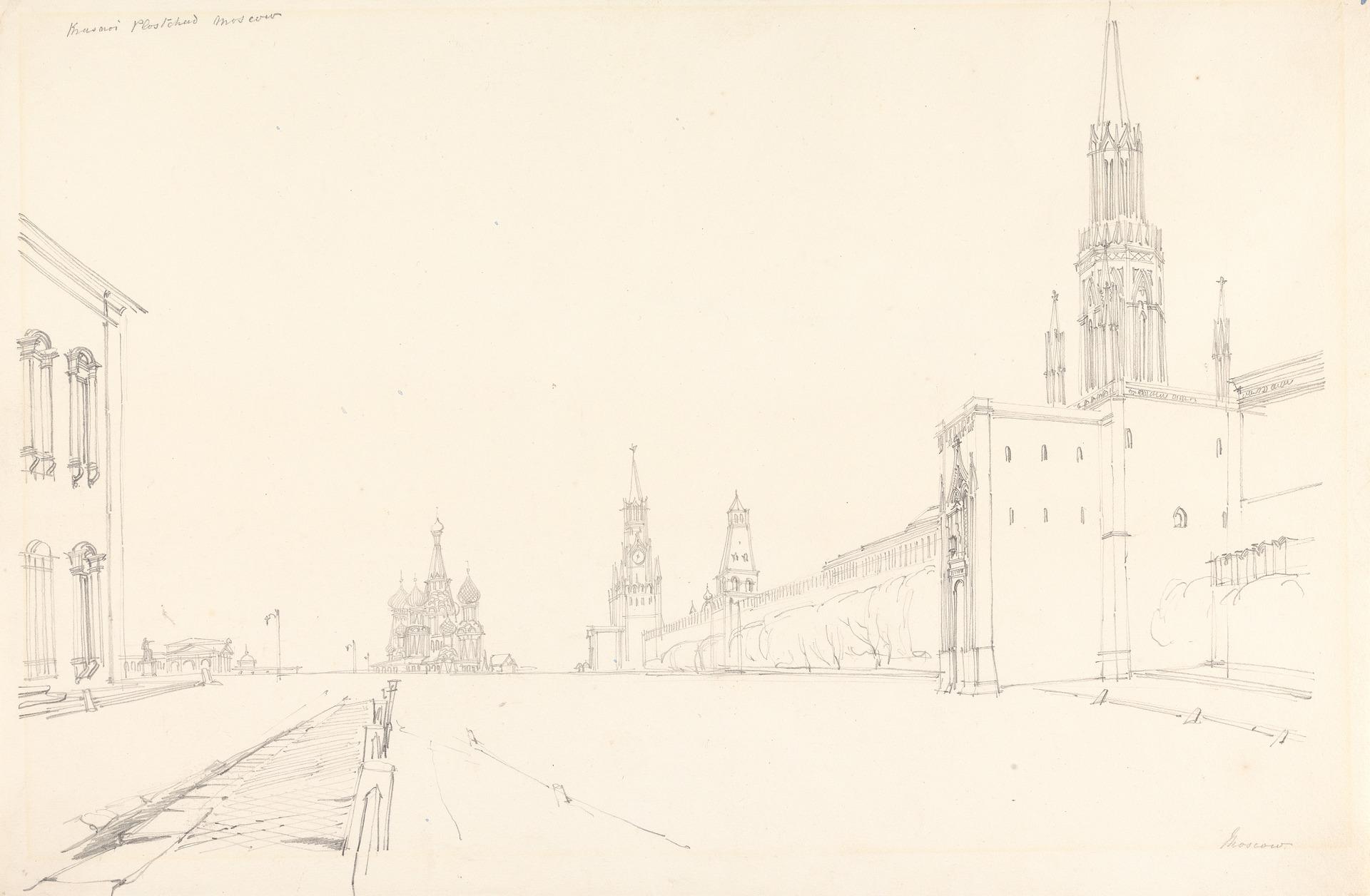
Photo: Alfred Gomersal Vickers / CC0 via Wikimedia Commons.