
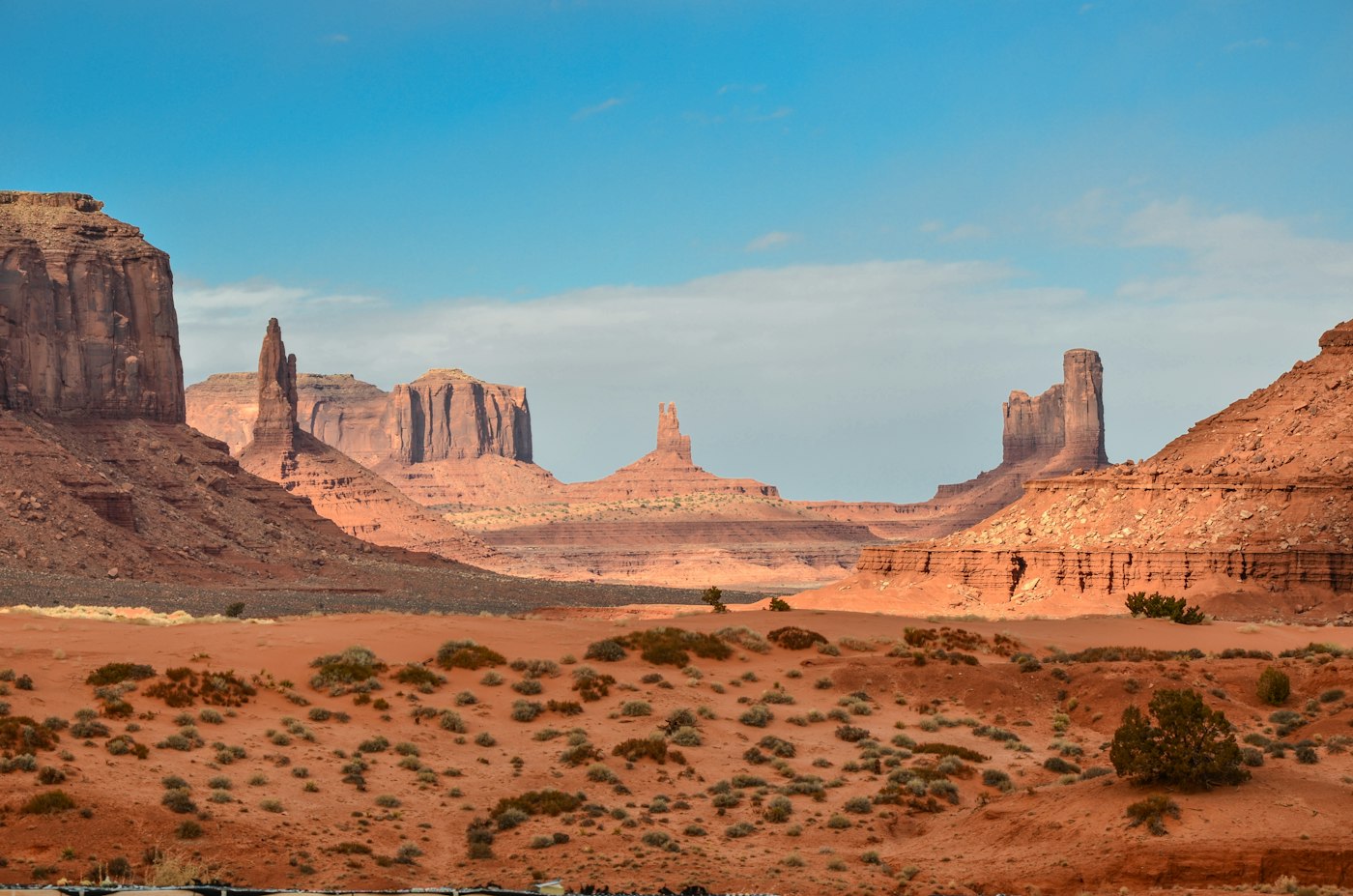
SAN RAFAEL VALLEY, Ariz. — The U.S. Forest Service is closing public access to roughly 56 miles of border-wall construction zones across the southern San Rafael Valley and mountains west of Nogales until Jan. 20, 2029, according to a Coronado National Forest order posted Sept. 28 and reported by The Arizona Republic on Wednesday.
Forest Supervisor Kerwin Dewberry signed the order, which states its purpose is “to protect public health and safety during construction of the international border wall.” Violators could face up to six months in jail and fines up to $5,000 for individuals or $10,000 for organizations. The closure generally extends 300 yards from the border where federal ownership allows and exempts certain officials, rescue crews, permit holders, and licensed hunters retrieving game.
The landscape includes environmentally and culturally sensitive Coronado National Forest terrain where jaguars and ocelots have been documented. It does not close the San Rafael State Natural Area or automatically block protester access to private land near Lochiel, where activists have tried to protect cottonwoods from wall clearing.
Russ McSpadden of the Center for Biological Diversity said locking the public out makes it harder to document damage to cultural and environmental resources and impedes First Amendment rights of journalists and protesters. Sierra Club Borderlands coordinator Erick Meza questioned the safety rationale, arguing heavy construction traffic already poses the greater hazard. U.S. Rep. Adelita Grijalva, D-Ariz., criticized closing public lands “at a moment’s notice” amid what she called devastating construction impacts.
Homeland Security and related border agencies often operate under congressional waivers from environmental laws. Conservationists say media attention and on-the-ground documentation have sometimes been the only practical checks after incidents such as damage to an ancient geoglyph at Cabeza Prieta or a spring at San Bernardino National Wildlife Refuge — examples McSpadden cited to the Republic.
Dewberry’s office had not answered Republic questions about why the entire construction front was closed at once through the final day of President Trump’s current term. For southern Arizona communities, the order reshapes who can walk, film, or monitor work along one of the state’s most contested border landscapes until early 2029.
Southern Arizona’s borderlands have long been a flashpoint where national security construction collides with ranching access, tribal consultation expectations, and wildlife corridors linking Mexico’s Sky Islands to U.S. ranges. Closing trails and forest roads for more than two years will also affect hunters, birders, and researchers who historically documented jaguar detections and migration patterns used in environmental debates.
Wall contractors and DHS can continue work under the order’s exemptions. What changes is the ease of independent observation. Prior Republic coverage of geoglyph and spring damage elsewhere along the Arizona line is the template conservationists fear will repeat if cameras and witnesses are kept hundreds of yards away until January 2029.
Based on Arizona Republic reporting by Brandon Loomis (Sept. 30, 2026). Closure dates, penalties, and quotes as published in that article.

One thought on “Forest Service Closes 56 Miles of Arizona Border Wall Zone in San Rafael Valley Until 2029”