
A young laboratory worker at a Russian institute that studies plague has died, and the conflicting official accounts that followed have set off alarm among biosecurity experts far beyond Siberia.
Officials say the woman worked at the Irkutsk Anti-Plague Institute of Siberia and Far East, a research body that handles dangerous bacterial and viral infections in the city of Irkutsk, north of Mongolia, PBS NewsHour reported Monday. Russia’s consumer health agency, Rospotrebnadzor, told state media she was diagnosed with “pneumonia of unknown etiology.”
Shifting stories
That was not the first explanation. On Oct. 2, Alexey Tsydenov, head of the neighboring Republic of Buryatia, described her death as caused by “plague,” then edited his post to add the word “possibly,” according to PBS. The same day, Irkutsk regional Gov. Igor Kobzev convened an emergency sanitary and anti-epidemic meeting over “a suspected case” of “a particularly dangerous infection,” with Russia’s chief sanitary doctor in attendance.
Local officials quarantined the Shelekhovsky District Hospital, halting admissions, discharges and lab work, and a Telegram post warning people not to visit the town of Shelekhov was later deleted, PBS reported. On Monday, Kobzev said microorganisms tied to the woman’s work were not found in her samples and that no other institute employees had sought medical care.
Independent outlets tell a different story. People of Baikal identified her as a 28-year-old lab technician who died of pneumonic plague after breaking a test tube containing the bacterium, citing a local journalist. The Moscow Times reported that 189 of her contacts were hospitalized. Russia’s health agency said the institute had recorded no emergencies involving pathogens.
Washington is watching
Secretary of State Marco Rubio told reporters Monday that the U.S. is aware of the case and “monitoring it closely.” “I don’t think it’s cause for alarm, but it is cause for focus,” he said, according to PBS.
Dr. Ashish Jha, the former White House COVID-19 coordinator, said on X that unconfirmed reports of security services escorting ambulances, if true, are “not the posture of a routine natural outbreak, even a normal lab accident,” and urged Russia to be more transparent. Author Annie Jacobsen told PBS the institute did biological weapons work in the Soviet era.
What plague is
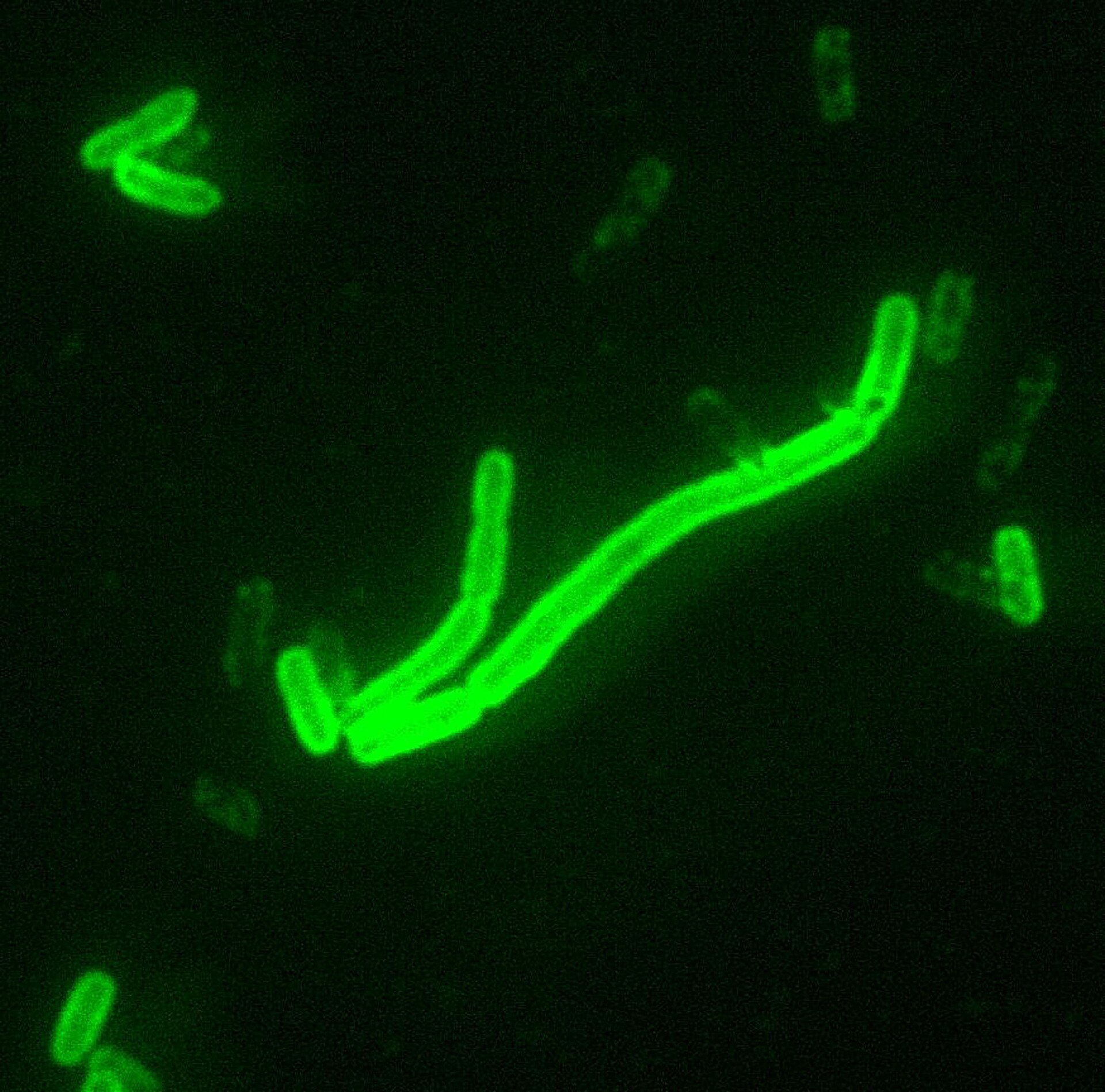
Plague is caused by the bacterium Yersinia pestis, usually carried by rodents and their fleas. Its pneumonic form infects the lungs, is the most serious type and is the only one that can spread from person to person through respiratory droplets, according to the CDC. Early treatment with antibiotics is effective.
Plague is not only a far-off concern: the CDC reports a handful of human cases in the U.S. most years, mostly in rural parts of the Southwest, including northern Arizona. Health officials advise avoiding sick or dead rodents and using flea control on pets.
Image: CDC / Larry Stauffer, Oregon State Public Health Laboratory (public domain, via Wikimedia Commons). Fluorescent antibody stain of Yersinia pestis, the bacterium that causes plague; lab file image.