



A Stanford University scientist who learned how to flip brain cells on and off with flashes of light is among this year’s winners of the Nobel Prize in Physiology or Medicine.
The Nobel Assembly at Karolinska Institutet in Stockholm announced Monday that the 2026 prize goes jointly to Karl Deisseroth of the Howard Hughes Medical Institute and Stanford University, Peter Hegemann of Humboldt University of Berlin and Georg Nagel of the University of Würzburg, “for their discoveries concerning light-gated ion channels and optogenetics.”
From pond algae to the brain
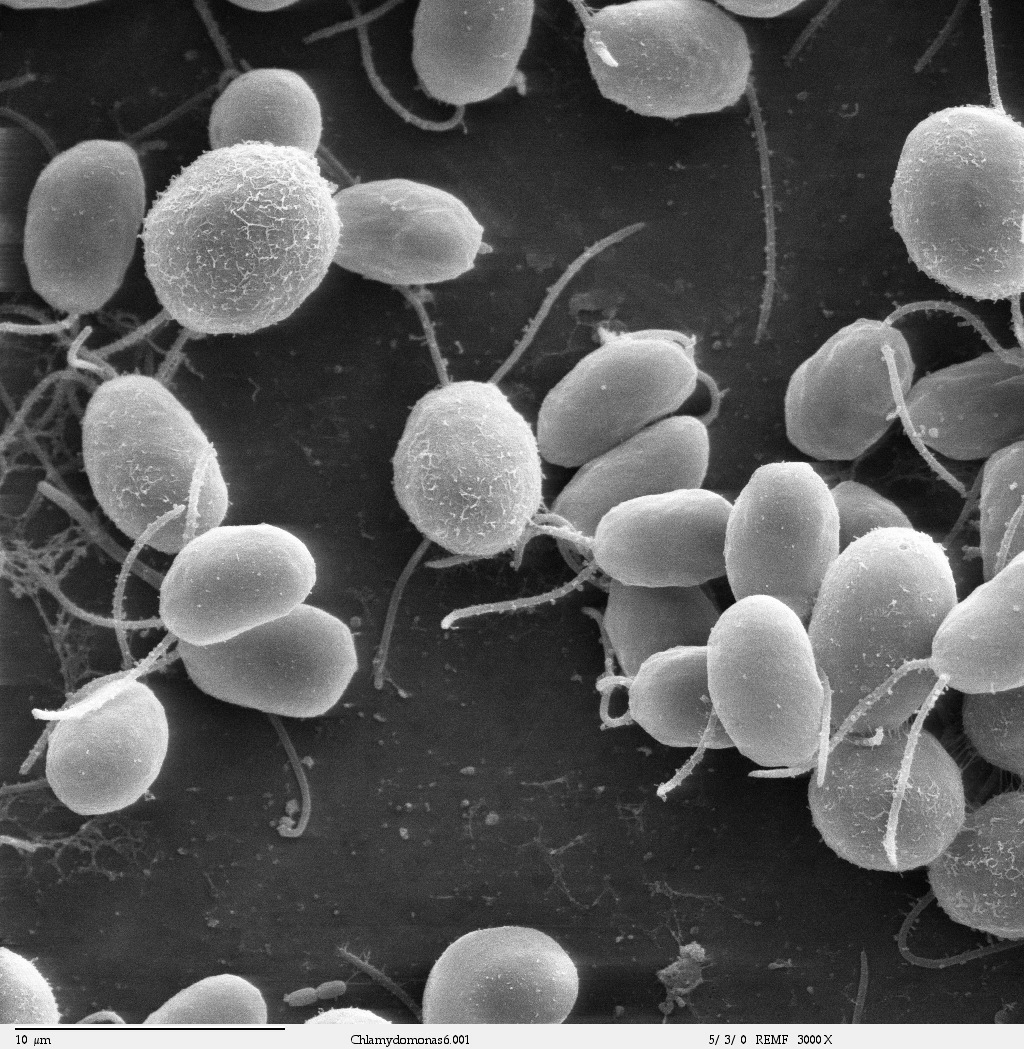
The story began with a single-celled green alga, Chlamydomonas, and a question: how does it swim toward light? In the early 2000s, Hegemann and Nagel discovered a protein on the alga’s surface, channelrhodopsin, that opens a channel when hit with blue light, letting charged ions rush in and creating an electrical impulse, according to the Nobel Assembly. They found that any cell carrying the protein became light-sensitive.
Deisseroth took the next step. He put the gene for channelrhodopsin into rat nerve cells and showed in 2005 that blue light could trigger a nerve signal. Two years later he made the technique work in the brains of living mice, the committee said.
The method, now called optogenetics, lets researchers turn specific circuits of neurons on or off and watch what happens. That has helped scientists trace the circuits behind particular memories, feelings and behaviors tied to neurological and psychiatric disorders. In the clinic, researchers are testing it in attempts to restore sight to people with visual impairment, the Nobel Assembly said.
“Optogenetics provides opportunities for mapping the brain in a way that we could once only dream of,” said Per Svenningsson, chair of the Nobel Committee for Physiology or Medicine.
Who the laureates are
Deisseroth, born in 1971, earned both his Ph.D. and M.D. at Stanford, where he is a professor of bioengineering and of psychiatry and behavioral sciences. Hegemann, born in 1954, is a senior professor of neuroscience in Berlin; Nagel, born in 1953, is a professor of molecular plant physiology in Würzburg. The prize-winning work by the two German scientists was done at Max Planck institutes, the Nobel Assembly said.
The laureates will share prize money of 12 million Swedish kronor equally.
Then, school lunches
The call from Stockholm reached Deisseroth after midnight, and he spent the early hours fielding calls from journalists at his family’s home in Stanford, California. But he then asked for a break for a more ordinary job: making school lunches for his children before they left for school, the Associated Press reported. “Dad, you’ve won all the prizes!” his 10-year-old daughter said that morning, according to Palo Alto Online, which described Deisseroth as a practicing psychiatrist who still sees patients while running his lab. He is Stanford’s 37th Nobel laureate, the outlet reported.
The medicine prize was the first of this year’s Nobel announcements. The physics prize was announced Tuesday, with chemistry, literature, peace and economics to follow over the coming days.
Image: Dartmouth Electron Microscope Facility via Wikimedia Commons (public domain). Scanning electron micrograph of Chlamydomonas green algae, the organism in which channelrhodopsin was found.
Sources: NobelPrize.org press release; Associated Press (via ABC News); Palo Alto Online.
This article was produced with AI assistance and is based on reporting from NobelPrize.org press release, Associated Press (via ABC News) and Palo Alto Online.