TEMPE — Arizona State University spent $1.137 billion on research in fiscal year 2025, up $134 million from the year before, and for the first time topped the University of Arizona in total research spending, according to a release from ASU.
The figures come from the National Science Foundation’s annual Higher Education Research and Development survey, known as HERD, released Tuesday. ASU said it ranked No. 33 overall among hundreds of institutions and No. 4 among universities without a medical school.
The 13.4% jump builds on ASU passing $1 billion in research spending for the first time in fiscal 2024 and its admission to the Association of American Universities, the university said.
Engineering drove most of the growth. ASU said engineering research reached $349.2 million, up 25.9%, and accounted for more than half of the total increase. A major contributor was the ASU-led Southwest Advanced Prototyping Hub, a semiconductor prototyping facility that is part of a federal microelectronics initiative.
Defense work also grew. Combined research spending supported by the Navy, the Defense Advanced Research Projects Agency and the Army rose about $43.8 million, the release said. ASU also recently signed a 10-year agreement to provide energy services to Army installations, starting with Fort Huachuca in Cochise County.
Research funded by the National Institutes of Health increased $17.1 million, according to the university. ASU also pointed to its Arizona Water Innovation Initiative, launched in 2022 with $40 million from the state, which it said has supported 10 startups and trained nearly 300 water professionals.
“We continue to build a new model of a great American research university,” ASU President Michael Crow said in the release.
ASU said its research sent more than $77 million to Arizona-based vendors and subcontractors and more than $44 million to small businesses in fiscal 2025. The university launched its new medical school after the survey period.
Sources: ASU news release (Nov. 25, 2026). Thee Arizona Times uses AI-assisted reporting reviewed against the sources listed.
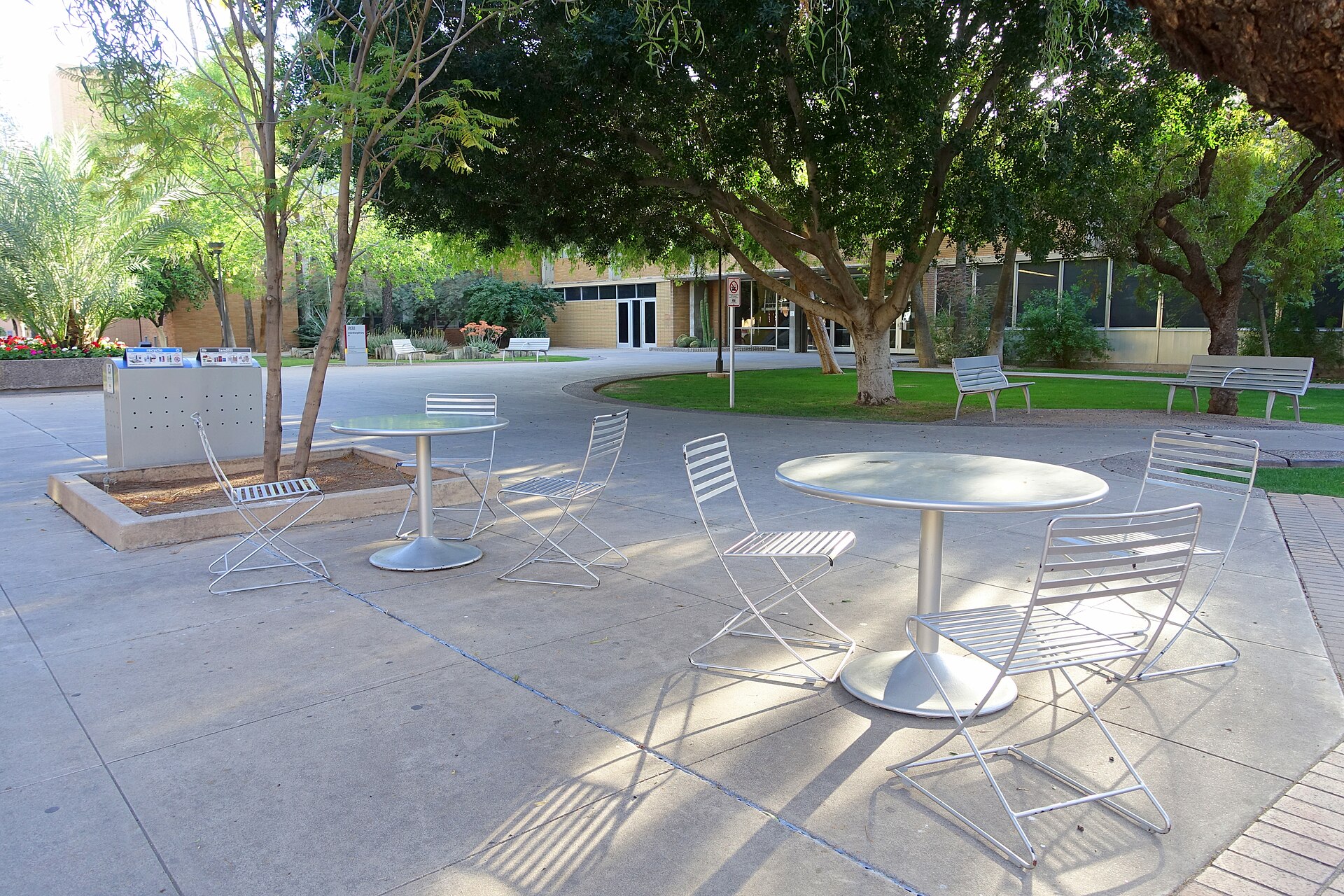
Photo: Daderot / CC0 via Wikimedia Commons.