A mathematician at artificial intelligence company Anthropic says he has proven the Riemann Hypothesis, one of math’s most famous unsolved problems, with help from the company’s AI tool Claude, the Associated Press reported via KTAR.
Levent Alpöge, a member of Anthropic’s technical staff, announced the claim Friday in a four-page explanation on his website. “This time Claude far outpaced me near the finish line,” he wrote.
Formulated in 1859, the Riemann Hypothesis concerns how prime numbers are distributed. The Clay Mathematics Institute named it one of seven Millennium Prize Problems in 2000 and offers $1 million for a solution. Hours after the announcement, the institute’s website still listed it as unsolved, the AP reported.
Institute president Martin Bridson called it “an announcement of historic significance” but said “the journey from today’s announcement to a place of real understanding will be long and difficult.”
Alpöge said more than 250,000 pages came out of his work with AI. The announcement came a day after Anthropic’s initial public offering. Anthropic did not respond to the AP’s request for comment.
It is the second recent claim tied to an AI company: In September, OpenAI said its technology was key to a similar breakthrough on the Navier-Stokes equations, according to the report.
Sources: KTAR News / Associated Press. Thee Arizona Times uses AI-assisted reporting reviewed against the sources listed.
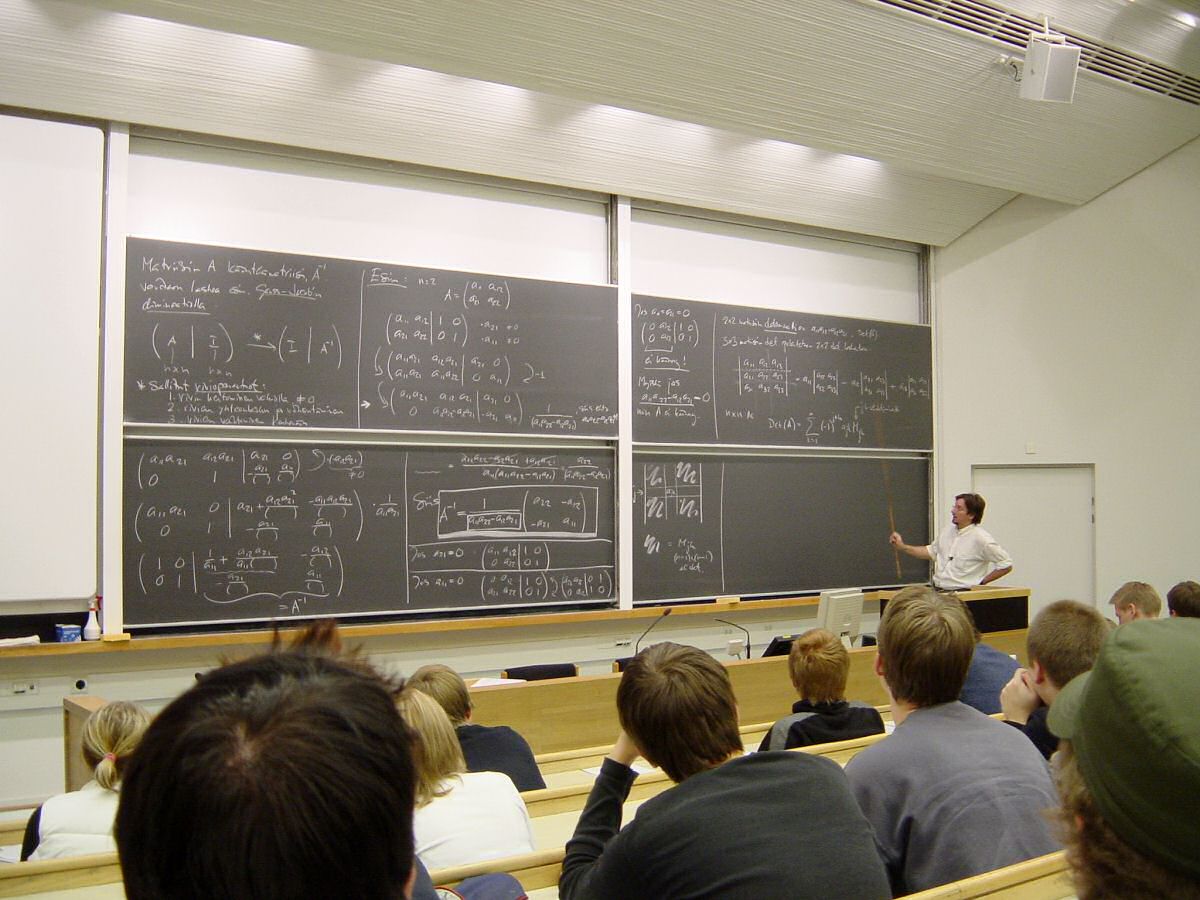
Photo: Tungsten / Public domain via Wikimedia Commons.