




A measles outbreak that began west of Philadelphia in the spring has now sickened more than 1,000 people, a milestone no U.S. outbreak has reached in a generation.
The Pennsylvania Department of Health said Monday that 1,004 measles cases have been confirmed across 39 counties so far this year. That makes it the first U.S. outbreak to top 1,000 cases in 35 years, The Washington Post reported; the largest previous outbreak, in Philadelphia in 1991, infected about 1,400 people.
By the numbers
According to the state’s latest update:
- 27 new cases were confirmed since Oct. 2.
- 198 people have been hospitalized.
- Five deaths have been confirmed as measles-associated.
- Only four cases — less than 1% — were in vaccinated people.
Lancaster County has the most infections, with 391, followed by Mifflin County with 118 and Chester County with 84, The Sentinel of Lewistown reported, citing the state’s measles dashboard. Statewide, the count rose by 101 cases in the week since Sept. 28, and people under 18 account for about a third of all cases.
The state now reports ongoing community transmission in 12 counties, The Sentinel reported. The five people who died include two Lancaster County infants who were too young to be vaccinated and an unvaccinated 18-year-old from Mifflin County; the most recent death, announced Sept. 30, was an unvaccinated Lancaster County resident.
A rush for shots
The outbreak has driven a surge in vaccinations. Health officials said Pennsylvania providers normally give about 25,000 doses of the measles, mumps and rubella vaccine in a month. They gave more than 49,000 in August and more than 53,000 in September.
State health center staff have given more than 5,700 MMR shots at 192 pop-up clinics in affected communities since the outbreak began in late April, the department said, with dozens more clinics planned.
The department says two doses of MMR provide about 97% lifetime protection, and people with two documented doses do not need another. Adults with only one dose, or who cannot find their records, should talk to a health care provider or pharmacist.
Why measles spreads so fast
Measles is one of the most contagious diseases known. The virus spreads through the air when an infected person breathes, coughs or sneezes and can linger in a room for up to two hours. People are contagious from about four days before to four days after the rash appears, so they can spread it before they know they are sick.
Symptoms begin seven to 21 days after exposure with fever, cough, runny nose and red, watery eyes, followed by a rash that starts on the head and spreads down. Pennsylvania officials said nearly 20% of people with measles in the state have been hospitalized. Anyone with symptoms is asked to call ahead before visiting a doctor’s office so staff can prevent exposures.
Pennsylvania is not alone. Large outbreaks have also been reported in South Carolina, Texas and Utah since the start of last year, the Associated Press has reported. Arizona residents unsure of their vaccination status can check with their health care provider or county health department.
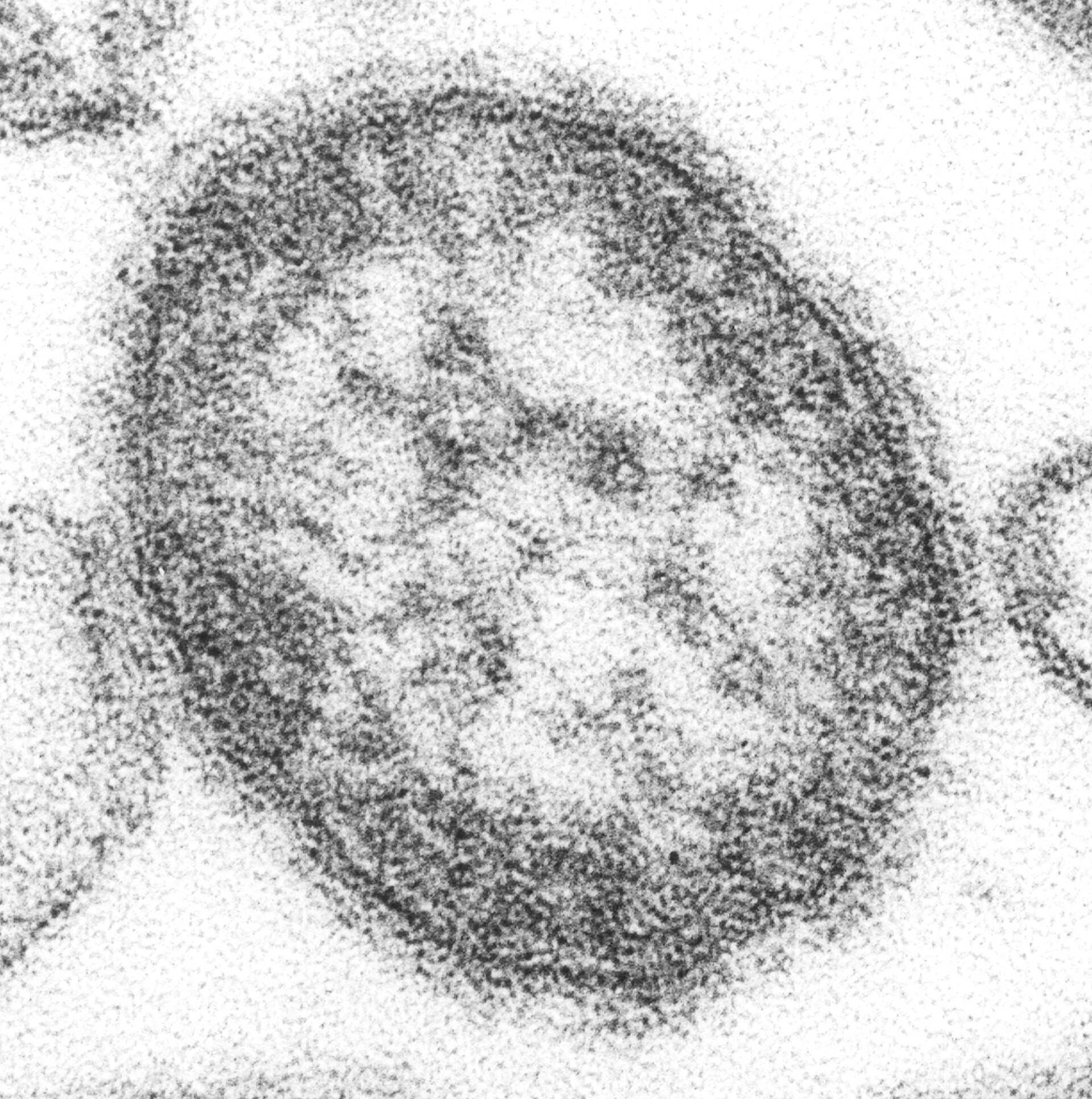
Image: Cynthia S. Goldsmith and William Bellini, Ph.D., CDC Public Health Image Library via Wikimedia Commons (public domain). Transmission electron micrograph of a measles virus particle.
Sources: Pennsylvania Department of Health; The Washington Post; The Sentinel (Lewistown, Pa.).
This article was produced with AI assistance and is based on reporting from Pennsylvania Department of Health, The Washington Post and The Sentinel (Lewistown, Pa.).