

MONTREAL — Quebec voters handed power to the sovereigntist Parti Québécois on Monday, but not the majority its leader wanted to chase his dream of an independent Quebec.
The PQ, led by Paul St-Pierre Plamondon, won 59 seats, up from just three in 2022, CBC News reported. That is short of a majority, meaning the PQ will lead a minority government and need support from other parties to pass legislation.
A wipeout for the CAQ
The biggest shock was the collapse of the Coalition Avenir Québec, which won a large majority only four years ago. The party appears to have been shut out entirely, failing to win a single seat, CBC reported.
Premier Christine Fréchette, who took over from party founder François Legault, said in her concession speech that the defeat was her responsibility alone. “I have Quebec tattooed on my heart,” she said. “I gave everything I could.” CBC noted there will be questions about whether the party, which now has no members in the legislature, can survive.
The Liberals, led by Charles Milliard, did better than expected, jumping from 19 seats to a projected 40 to become the official opposition. The Conservatives under Éric Duhaime broke through from zero seats to 19. “Tonight, hope has returned to Quebec,” Duhaime said.
The referendum question
St-Pierre Plamondon told about 1,000 supporters in Montreal that “voters have asked us to work together,” the Montreal Gazette reported, and he extended a hand to the other leaders. He also spoke in English, promising to be “the premier of everyone in Quebec.”
But he said he still dreams of making Quebec a country. “We deserve it just as much as any other people who possess their own country and democracy,” he said, according to CBC.
In practice, a referendum looks unlikely any time soon. The PQ would need backing from Québec Solidaire, the only other sovereigntist party in the legislature, CBC reported. St-Pierre Plamondon has said he would hold off on a vote until 2029 or 2030, after U.S. President Donald Trump leaves office, while minority governments in Quebec typically last less than two years. Milliard warned that a PQ referendum push would face “a clear opponent in the Liberal Party.”
Ottawa, and the voting system
St-Pierre Plamondon promised to be “direct and transparent” with Prime Minister Mark Carney, setting up what CBC described as a likely tense relationship with the federal government. Quebec last voted on independence in 1995, when the “no” side narrowly prevailed.
The result also renews debate over Quebec’s first-past-the-post voting system. CBC reported that it is the first time in the province’s history the PQ has formed a government with less than 30% of the popular vote. The PQ, the Conservatives and Québec Solidaire all promised during the campaign to overhaul how Quebecers elect their legislature.
For Arizona, which counts Canada among its largest trading partners and a major source of winter visitors, a sovereignty fight in Canada’s second-largest province would add another layer of uncertainty to a relationship already strained by trade tensions.
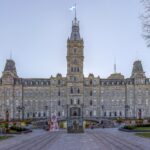
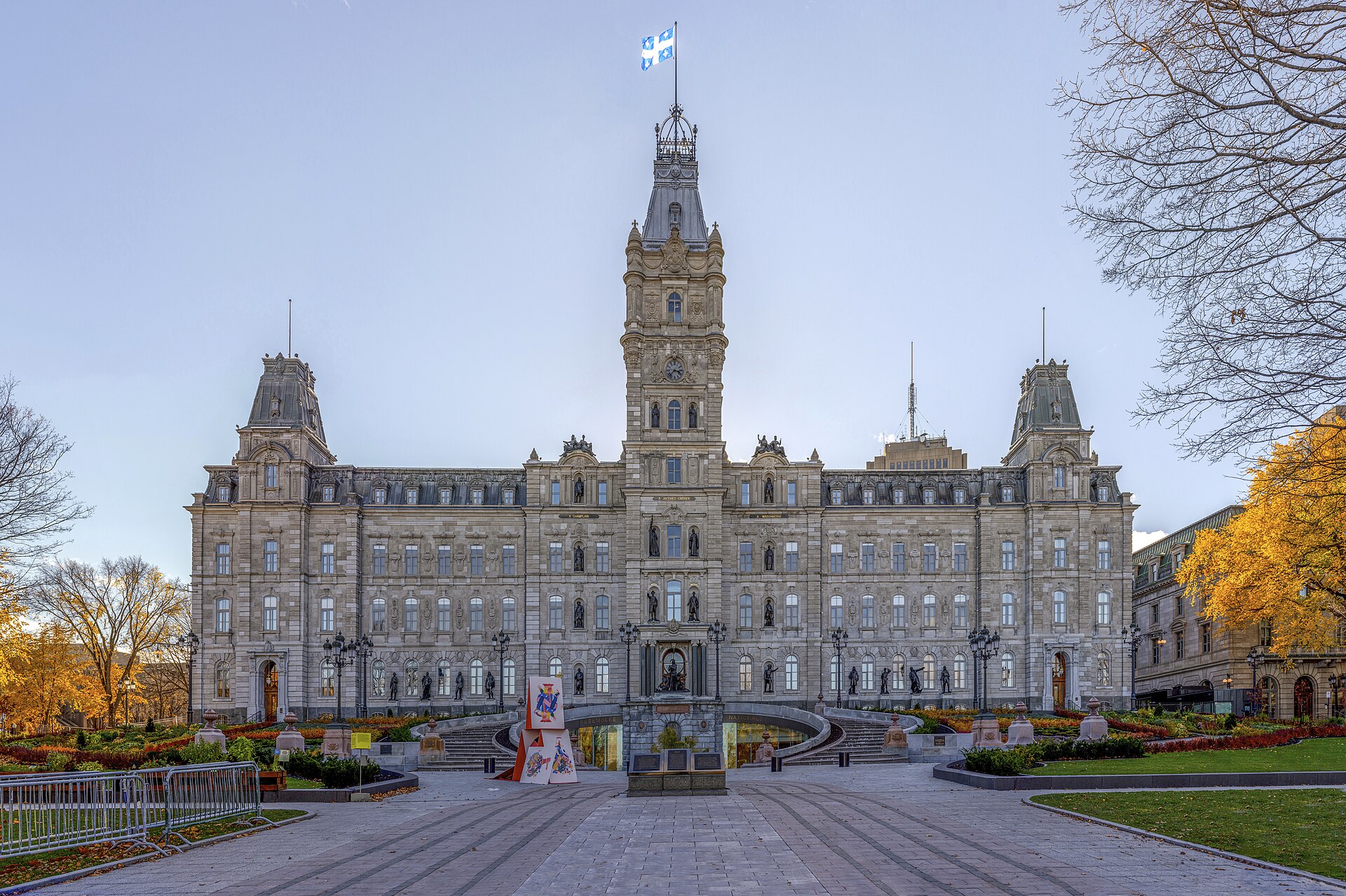
Photo: Wilfredor via Wikimedia Commons (CC0). The Parliament Building in Quebec City, home of the National Assembly of Quebec; October 2020 file photo.
Sources: CBC News; Montreal Gazette.
This article was produced with AI assistance and is based on reporting from CBC News and Montreal Gazette.