PHOENIX — The share of U.S. newborns who do not receive a vitamin K shot at birth has more than doubled in recent years, and doctors say they are seeing the dangerous bleeding the shot is meant to prevent, NPR and KFF Health News reported.
Nationally, the rate of newborns who did not get an intramuscular vitamin K shot rose from 3.1% in 2017 to 6.8% in 2025, according to research published in JAMA in November and cited in the report.
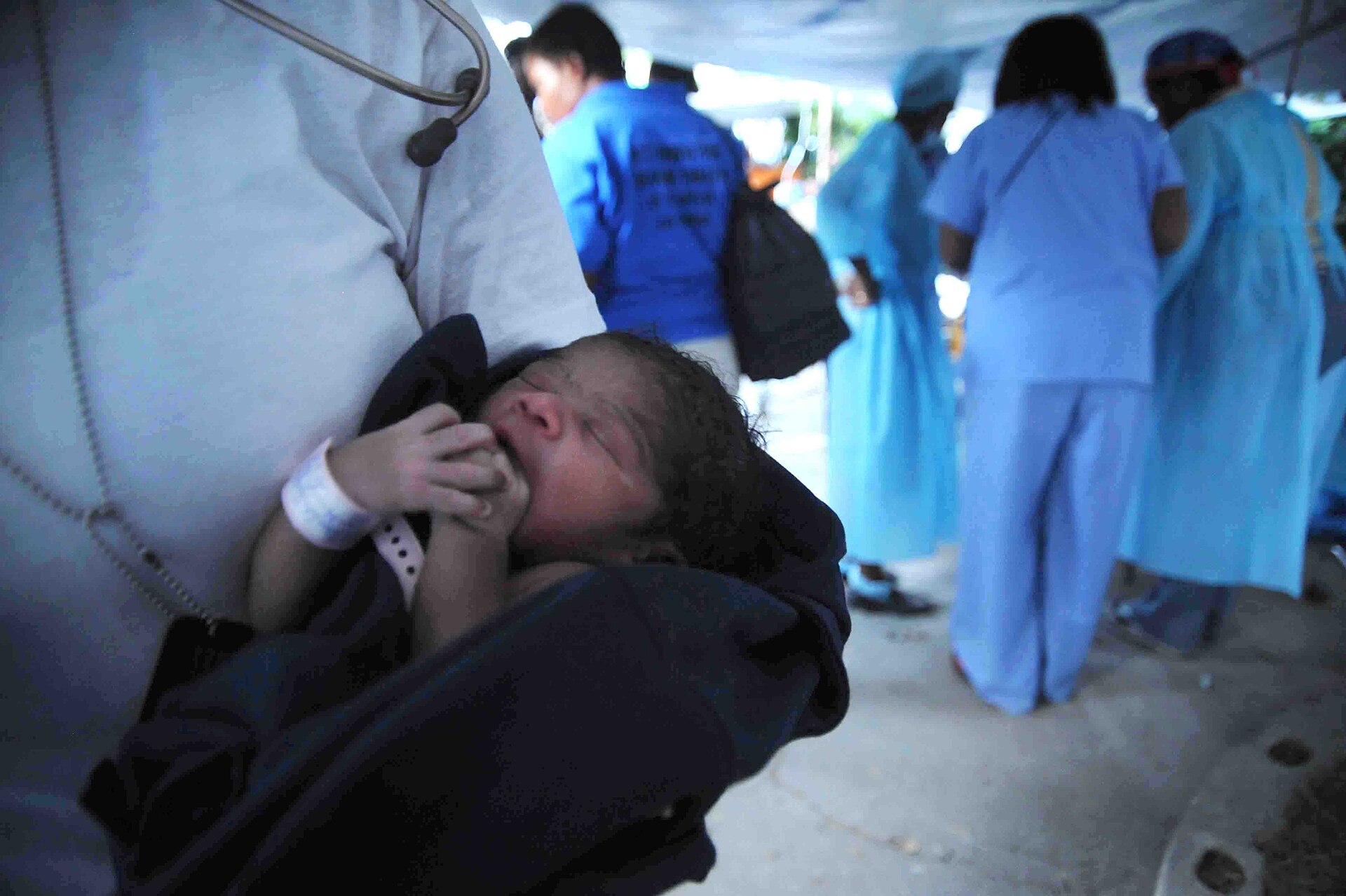
The shot is given to most newborns within six hours of birth to prevent rare but life-threatening hemorrhaging, according to the report. Doctors say refusals have climbed as more parents are influenced by the anti-vaccine movement and broader mistrust of the medical system, even though vitamin K is not a vaccine.
Physician Torrie LeBlanc, who worked in labor and delivery at the Corewell Health system in Grand Rapids, Michigan, described a baby girl whose parents had declined the shot. About 36 hours after birth, the baby began bleeding from her eyes, nose and rectum, LeBlanc told the reporters.
Staff rushed the baby to the neonatal intensive care unit and gave her plasma and other blood products, and her parents then agreed to vitamin K. She survived largely because treatment came almost immediately, according to LeBlanc and an attending physician. They believe she would have died if the bleeding had started at home.
At Corewell’s Butterworth Hospital, at least one family a day on average refuses the injection, the report said. LeBlanc led a two-year effort to reduce refusals and said she learned how much misinformation is circulating online.
The American Academy of Pediatrics recommends a single vitamin K shot for all newborns. Parents with questions are encouraged to talk with their pediatrician or delivery team before birth.
Sources: NPR / KFF Health News. Thee Arizona Times uses AI-assisted reporting reviewed against the sources listed.
Photo: Petty Officer 2nd Class Justin Stumberg, USN / Public domain via Wikimedia Commons.